How Often Chimneys Should Be Inspected And Cleaned
To ensure safety and efficiency, local contractors can help determine how often chimneys should be inspected and cleaned based on your usage and conditions.
If you own a property that features a chimney, understanding how often it should be inspected and cleaned is essential for maintaining safety and efficiency. Many property owners in the area recognize the importance of regular chimney maintenance to prevent potential fire hazards, improve airflow, and ensure their heating systems operate smoothly throughout the year. Staying informed about recommended inspection and cleaning schedules can help keep your home safe and comfortable, especially during the colder months when fireplaces and wood stoves are in frequent use.
Local contractors who specialize in chimney inspection and cleaning can provide tailored advice based on your specific situation, such as the type of fuel used, the age of the chimney, and how often it’s used. Regular inspections help identify issues early, while professional cleaning removes creosote buildup and other debris that can compromise safety. Exploring this topic further can help property owners make informed decisions about maintaining their chimneys, ensuring they remain in good condition for years to come.
- Chimney Inspection and Cleaning - Homeowners with annual fireplace use often need this service to ensure safe and efficient operation, with local contractors recommending inspections at least once a year.
- Chimney Inspection and Cleaning - After a long period of neglect or exposure to weather, local pros can assess and clean chimneys to prevent buildup and potential hazards.
- Chimney Inspection and Cleaning - Before installing a new heating appliance, local service providers suggest a thorough inspection and cleaning to verify the chimney's condition.
- Chimney Inspection and Cleaning - Following a chimney fire or suspected blockage, local contractors can perform detailed inspections and cleaning to restore safety.
- Chimney Inspection and Cleaning - In areas with high fireplace usage or frequent creosote buildup, local pros recommend regular inspections and cleanings to maintain optimal performance.
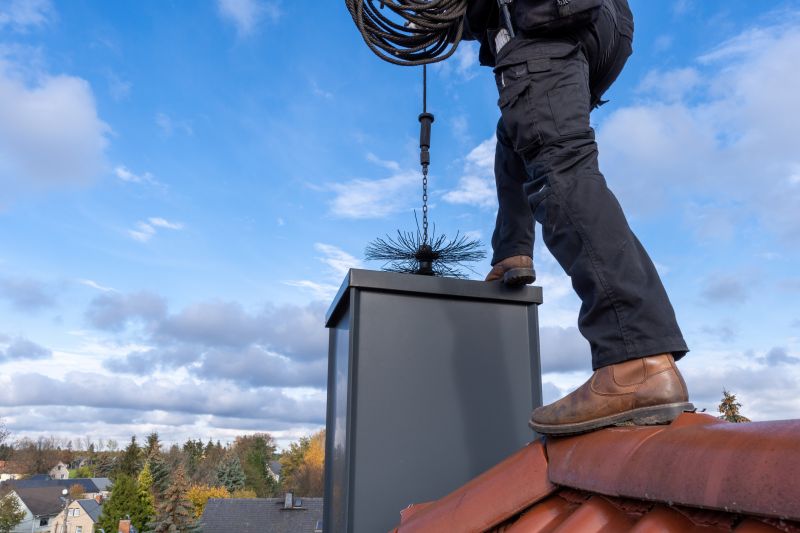
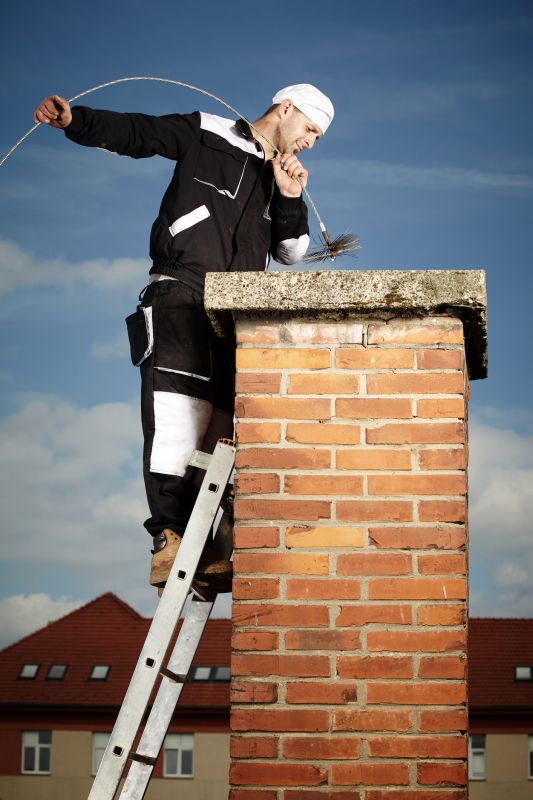
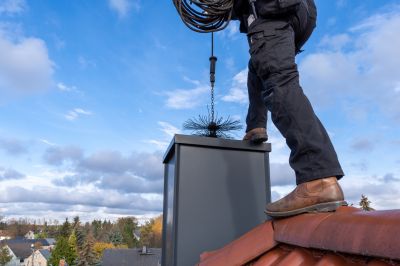
When people search for how often chimneys should be inspected and cleaned, they are typically looking for guidance on maintaining their fireplaces, wood stoves, or other heating appliances. Proper chimney maintenance is essential for safe and efficient operation, especially for homes that rely heavily on these systems during colder months. Homeowners often want to know if their chimney needs regular check-ups to prevent potential issues like creosote buildup, blockages, or structural damage. Understanding the recommended inspection and cleaning schedule helps prevent costly repairs, fire hazards, and indoor air quality problems, making it a common concern for those planning routine home maintenance or preparing for seasonal use.
This topic is closely related to common problems such as chimney fires, smoke backdrafts, or poor venting, which can arise from infrequent inspections and cleaning. It also ties into plans for upgrading or installing new heating systems, where ensuring the chimney’s condition is a critical step. Many property owners are concerned about the safety and longevity of their chimneys, especially in older homes or properties with multiple fireplaces. Whether the property is a single-family house, a vacation cabin, or a multi-unit building, regular inspections and cleanings are vital to identify issues early and keep the chimney functioning properly.
The types of properties that frequently come up in this context include residential homes, especially those with traditional fireplaces or wood-burning stoves, as well as historic buildings with older chimney structures. Some homeowners with newer gas fireplaces or inserts also seek guidance on maintenance schedules, even though these systems often require less frequent cleaning. Commercial properties, such as inns or restaurants with large fireplaces or outdoor chimneys, may also need regular inspections to meet safety standards. Local service providers are equipped to handle a variety of property types, ensuring that each chimney is properly maintained according to its specific needs and usage patterns.
Understanding how often chimneys should be inspected and cleaned helps homeowners plan their maintenance routines effectively. Typically, a basic rule is to have a professional inspection at least once a year, with cleaning recommended if the chimney is used regularly or if inspections reveal creosote buildup or other issues. For properties with infrequent use, inspections might be spaced out longer but should still be performed before initial use each season. Local chimney inspection and cleaning contractors play a key role in helping property owners establish and follow these schedules, ensuring the safety, efficiency, and longevity of their chimneys through routine care and professional assessments.
Fireplace Maintenance Projects - These projects involve inspecting and cleaning fireplaces to ensure safe operation, similar to chimney services that focus on removing creosote buildup and checking for obstructions.
Venting System Installations - Installing or repairing ventilation systems requires planning and knowledge of exhaust pathways, paralleling the skills used in chimney inspection and cleaning.
Flue and Vent Pipe Repairs - Repairing or replacing flue and vent pipes involves understanding airflow and safety considerations, which are also key aspects of chimney maintenance.
Chimney Cap Installation - Adding or replacing chimney caps helps prevent debris and animals from entering, complementing inspection routines aimed at maintaining chimney integrity.
Masonry Repair Projects - Masonry repairs involve assessing structural integrity and making necessary fixes, similar to evaluating chimney condition during inspections.
Home Ventilation Assessments - These assessments evaluate overall home airflow and exhaust systems, aligning with the planning involved in chimney inspection schedules.
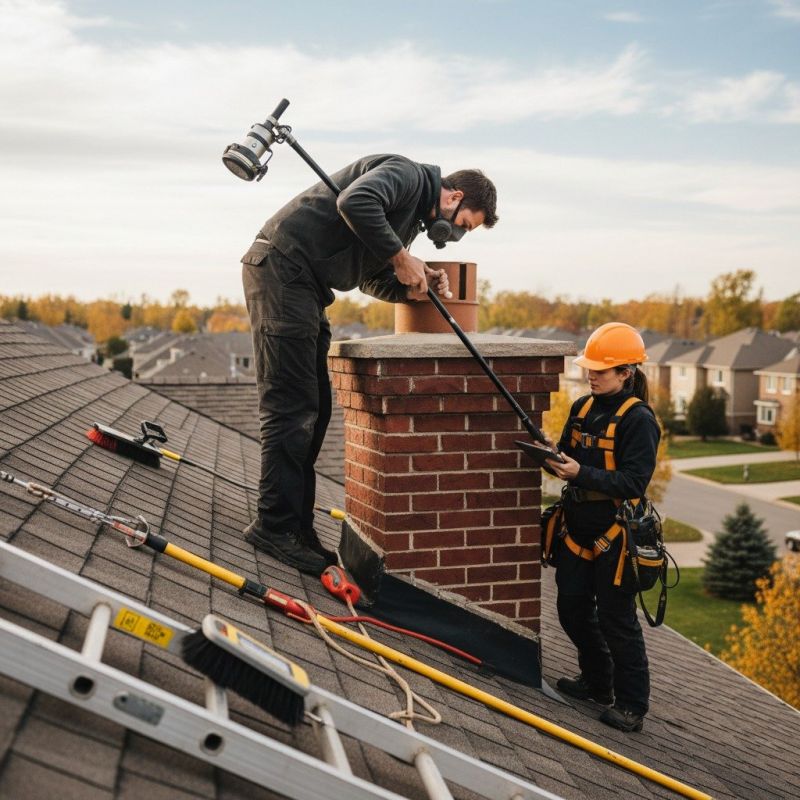
When comparing local contractors for chimney inspection and cleaning services, it’s important to consider their experience with similar projects. Homeowners should look for service providers who have a proven track record of handling chimney inspections and cleanings effectively, ensuring they are familiar with different types of chimneys and common issues. An experienced contractor can often identify potential problems early and provide insights into how often chimneys should be inspected and cleaned based on the specific needs of the home and its usage.
Clear written expectations are essential when evaluating potential service providers. Homeowners should seek out contractors who offer detailed descriptions of the scope of work, including what the inspection and cleaning will involve and any recommendations for maintenance frequency. Having this information in writing helps ensure everyone is aligned on the services provided and allows homeowners to compare offerings more effectively. It also creates a transparent foundation for any future work or follow-up services that may be needed.
Reputable references and good communication are key factors in choosing a reliable chimney inspection and cleaning service. Homeowners should inquire about references or reviews from previous clients to gauge the quality of work and professionalism. Additionally, service providers who communicate clearly-answering questions thoroughly, providing guidance on how often chimneys should be inspected and cleaned, and explaining their process-are more likely to deliver a positive experience. This level of communication helps homeowners feel confident in the contractor’s expertise and ensures that expectations are understood from the outset.
Property owners often search for how often chimneys should be inspected and cleaned when they are planning practical projects around their homes and businesses. Local pros provide Chimney Inspection and Cleaning services for everyday jobs and straightforward project options.
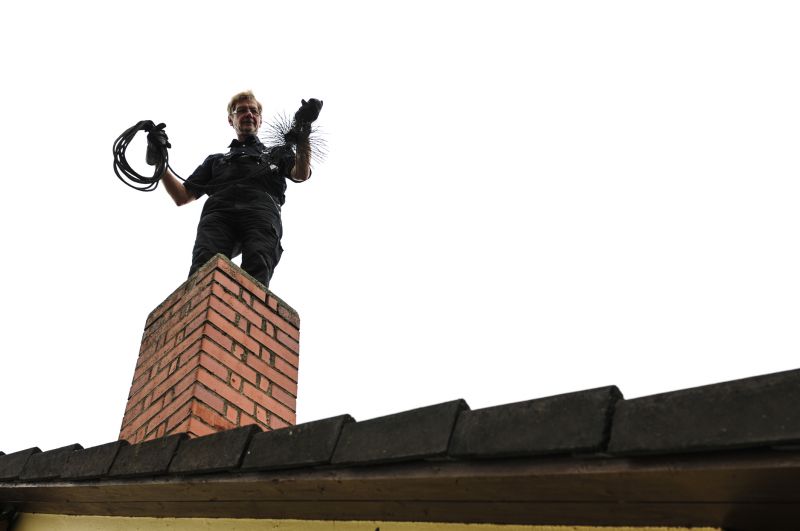
Many property owners in the area wonder how often chimneys should be inspected and cleaned to ensure safe and efficient operation. Regular inspections are especially important after heavy use during the colder months, or if there are signs of soot buildup, blockages, or damage. For those with older chimneys or frequent fireplace use, scheduling an inspection and cleaning from local contractors can help identify potential issues early and prevent costly repairs or safety hazards.
Homeowners who rely on their chimneys for heating may look up this information to maintain their system’s performance and safety. In general, professional chimney inspection and cleaning services are recommended at least once a year, but more frequent visits might be advisable for homes with high usage or visible problems. Connecting with experienced local service providers can ensure that inspections and cleanings are done properly, helping to keep the chimney functioning safely and efficiently throughout the year.
How often should chimneys be inspected? It is generally recommended to have chimneys inspected at least once a year by local contractors to ensure safe and efficient operation.
How frequently should chimneys be cleaned? Chimneys should typically be cleaned when buildup of creosote or soot is visible or after a certain amount of use, often annually, but local service providers can advise based on usage.
Are there signs that indicate a chimney needs inspection or cleaning? Yes, signs include smoke backup, unpleasant odors, soot around the fireplace, or reduced airflow, prompting a professional inspection from local pros.
Can the frequency of inspection and cleaning vary? Yes, factors like chimney type, frequency of use, and fuel type can influence how often inspections and cleanings are needed, with local contractors providing tailored recommendations.
Why is regular inspection and cleaning important? Regular inspections and cleanings help prevent fire hazards, improve performance, and extend the lifespan of the chimney, with local service providers offering necessary maintenance services.
Routine Inspection Schedule - property owners can plan regular inspections to ensure chimneys are functioning properly, especially before and after heavy use seasons, with local contractors providing expert assessments.
Seasonal Cleaning Tips - scheduling cleaning services from local pros at key times of year helps maintain chimney safety and efficiency, reducing buildup and potential hazards.
Monitoring Usage and Wear - observing how often the chimney is used can guide when to seek professional inspections and cleanings, ensuring proper maintenance based on actual use.
Preventative Maintenance Planning - integrating regular inspections into property upkeep routines allows owners to address minor issues early, with local service providers handling necessary cleaning and repairs.
If you are thinking about how often chimneys should be inspected and cleaned for a property, this guide is meant to help you understand this topic, the typical project types, and how different options might fit your plans.
When you are ready, you can use the quote form on this page to share a few details about your project. From there, local pros can review the basics and follow up with options that match what you have in mind.