Chimney Sweeping And Fire Safety Explained
Chimney sweeping and fire safety explained involves removing creosote buildup to prevent fires, with local contractors ready to ensure your chimney is safe and efficient.
Understanding chimney sweeping and fire safety is essential for property owners looking to maintain a safe and efficient home. This topic covers important practices that help prevent dangerous buildups of creosote and debris, which can pose fire risks if left unaddressed. Whether you're a homeowner or managing a rental property, exploring this subject can provide practical insights into how regular chimney maintenance keeps your space secure and ensures your heating systems operate smoothly.
Property owners in the area often consider chimney sweeping and fire safety measures to protect their investments and loved ones. Local contractors specializing in these services can help identify potential hazards, perform thorough cleanings, and offer advice tailored to the unique needs of each property. Keep reading to learn more about how professional chimney care supports fire safety and why connecting with experienced service providers can be a valuable step in maintaining a safe home environment.
- Chimney sweeping services - needed when homeowners want to ensure their chimneys are free of creosote buildup to prevent fire hazards, with local contractors performing thorough cleaning.
- Fire safety inspections - essential for those concerned about chimney-related fire risks, with local pros evaluating and advising on safety measures.
- Chimney maintenance - recommended for households with frequent use, as local service providers can identify and address potential fire safety issues.
- Creosote removal - necessary when deposits threaten to ignite, with local contractors safely removing buildup to reduce fire risks.
- Chimney cleaning and safety checks - vital for maintaining safe operation of fireplaces and wood stoves, with local pros providing comprehensive inspections and cleaning.
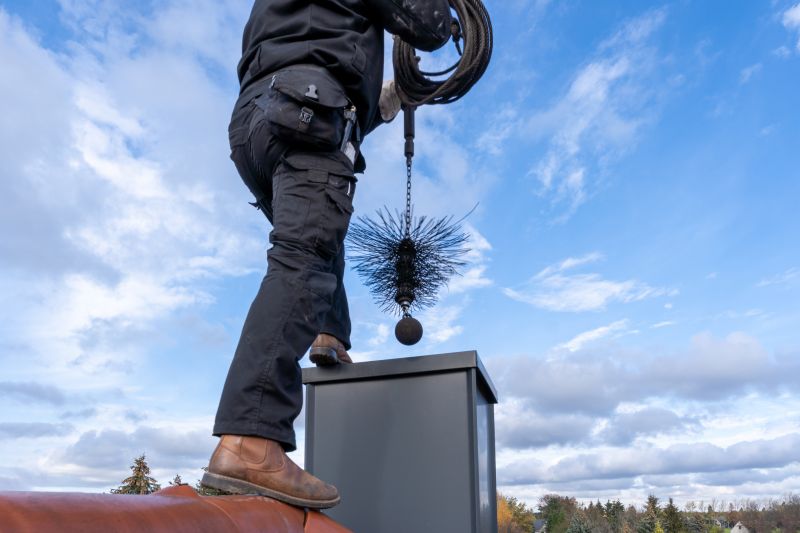
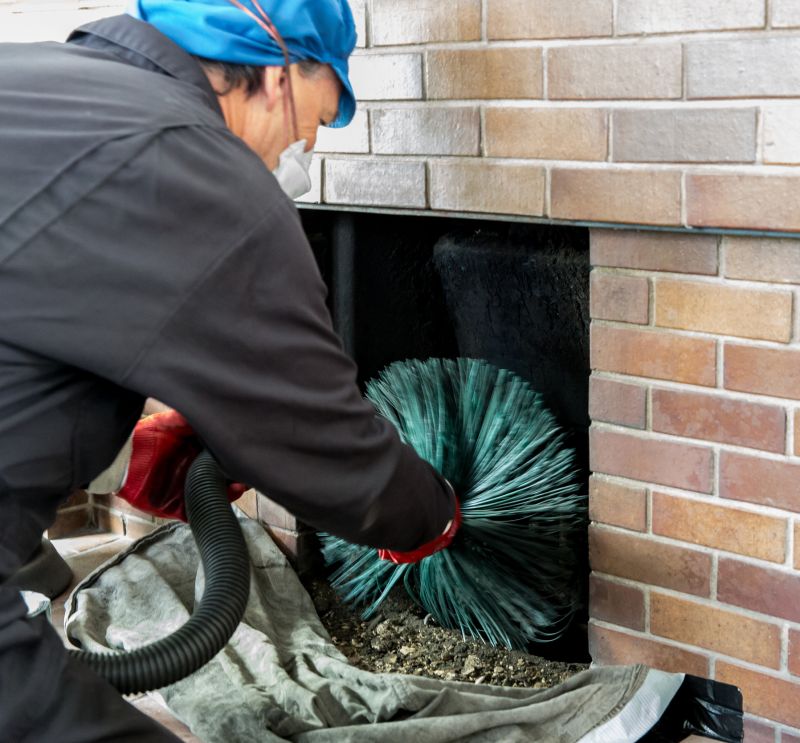
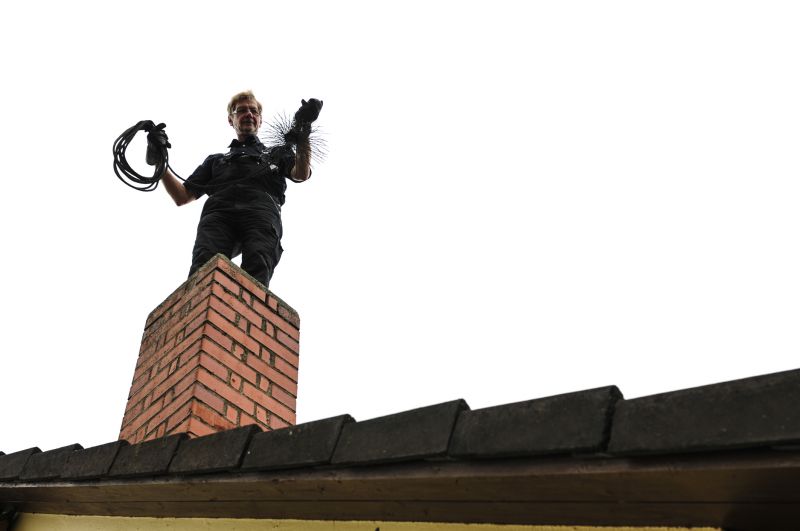
Chimney sweeping and fire safety explained often appears in searches by homeowners seeking to understand how to maintain their fireplaces, wood stoves, or other heating appliances safely. Many people want to learn about the importance of regular chimney cleaning to prevent dangerous buildup of creosote-a highly combustible substance that can accumulate over time. The goal is to reduce the risk of chimney fires, which can cause property damage and pose safety hazards. Additionally, homeowners may be interested in understanding how proper chimney maintenance contributes to overall fire safety, ensuring that their heating systems operate efficiently and safely during colder months.
This topic is closely related to common problems such as creosote buildup, obstructions like bird nests or debris, and the potential for chimney fires or smoke leaks. Property owners often plan to have their chimneys inspected and cleaned as part of routine home maintenance or before using their fireplaces intensively. Fire safety considerations also include ensuring proper ventilation and checking for cracks or damage that could allow smoke or dangerous gases to escape into living spaces. Many individuals seek guidance on how often chimney sweeping should be performed and what signs indicate that a professional service is needed to address potential hazards.
The types of properties that typically come up in discussions of chimney sweeping and fire safety include single-family homes, especially those with wood-burning fireplaces or stoves. Multi-family buildings, such as apartment complexes or condos with shared or individual chimneys, also require regular maintenance to meet safety standards. In addition, older homes with historic or masonry chimneys may have unique needs, making professional inspections and cleaning even more essential. Regardless of property type, understanding the connection between chimney maintenance and fire safety helps homeowners plan for proper upkeep and connect with experienced service providers who can handle the specific requirements of their property.
When exploring chimney sweeping and fire safety explained, it’s important for homeowners to recognize how local service providers fit into the process. These professionals bring the expertise needed to thoroughly clean chimneys, inspect for damage, and identify potential fire hazards. They help ensure that heating appliances function safely and efficiently, reducing the risk of dangerous incidents. Homeowners can compare local contractors to find those with experience in their property type and specific needs, making it easier to schedule routine maintenance or address any immediate concerns. Connecting with qualified service providers helps keep homes safe and maintains the integrity of the chimney system over time.
Fireplace Installation - Professionals in fireplace installation often have skills in chimney setup and safety measures related to indoor heating systems.
Vent Cleaning Services - Vent cleaning involves similar tools and planning as chimney sweeping to ensure proper airflow and reduce fire hazards.
Home Inspection Services - Home inspectors assess chimney and vent systems, making their expertise relevant for fire safety and maintenance checks.
Stove and Fireplace Repair - Repair specialists work on maintaining and fixing heating appliances, requiring knowledge of chimney connections and safety protocols.
Fireplace and Stove Installation - Installing new heating appliances involves understanding venting systems and planning for safe operation, akin to chimney sweeping.
Ductwork and Vent System Installation - Installing and maintaining duct systems shares skills with chimney cleaning, focusing on airflow and safety considerations.
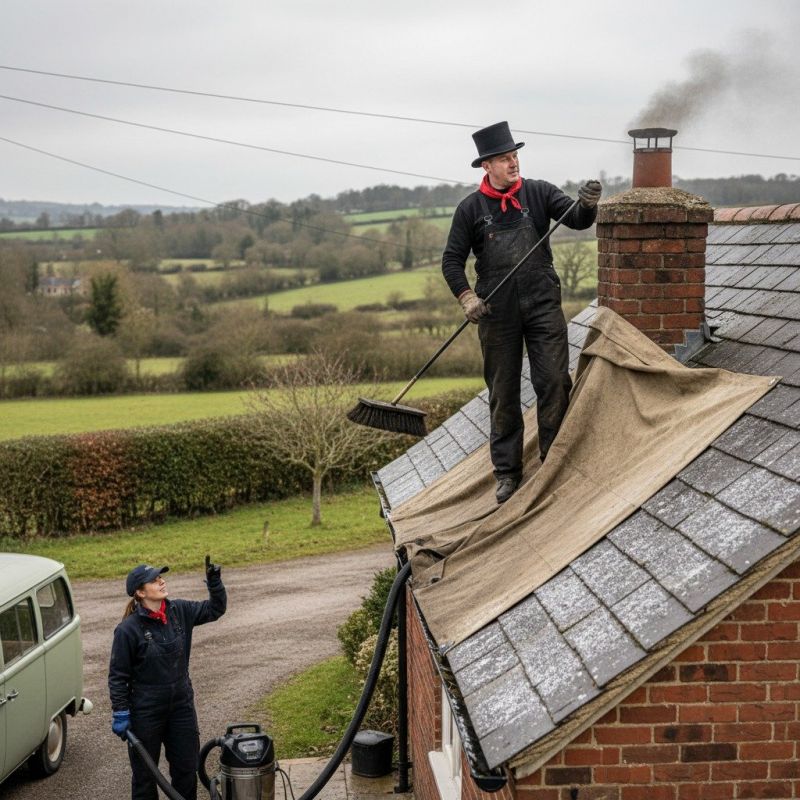
When evaluating chimney sweeping and fire safety services, it’s important to consider the experience of local contractors with similar projects. Experienced service providers will have a track record of handling various chimney types and fire safety concerns, which can contribute to a more thorough and effective cleaning process. Asking about the number of years they have been performing chimney sweeping or the types of properties they’ve serviced can help gauge their familiarity with different situations, ensuring that the work will be completed competently and with attention to detail.
Clear, written expectations are essential when comparing local contractors for chimney sweeping and fire safety explained. A reputable service provider should be able to outline what the job will entail, including the scope of cleaning, inspection procedures, and any additional safety measures. Having this information in writing helps prevent misunderstandings and ensures that the homeowner understands what services will be provided, what to expect during the process, and any follow-up recommendations. This transparency is key to making an informed decision and choosing a contractor who aligns with specific needs.
Reputable references and effective communication are also critical factors to consider. Service providers with positive references from previous clients can offer reassurance about their reliability and quality of work. Good communication throughout the process-such as responsiveness to questions, clarity in explanations, and ease of scheduling-can make the experience more straightforward and less stressful. When comparing local contractors, seeking out those with solid references and a reputation for clear, professional communication can help ensure that the chimney sweeping and fire safety explained will be handled thoroughly and professionally.
Property owners often search for chimney sweeping and fire safety explained when they are planning practical projects around their homes and businesses. Local pros provide Chimney Sweeping services for everyday jobs and straightforward project options.
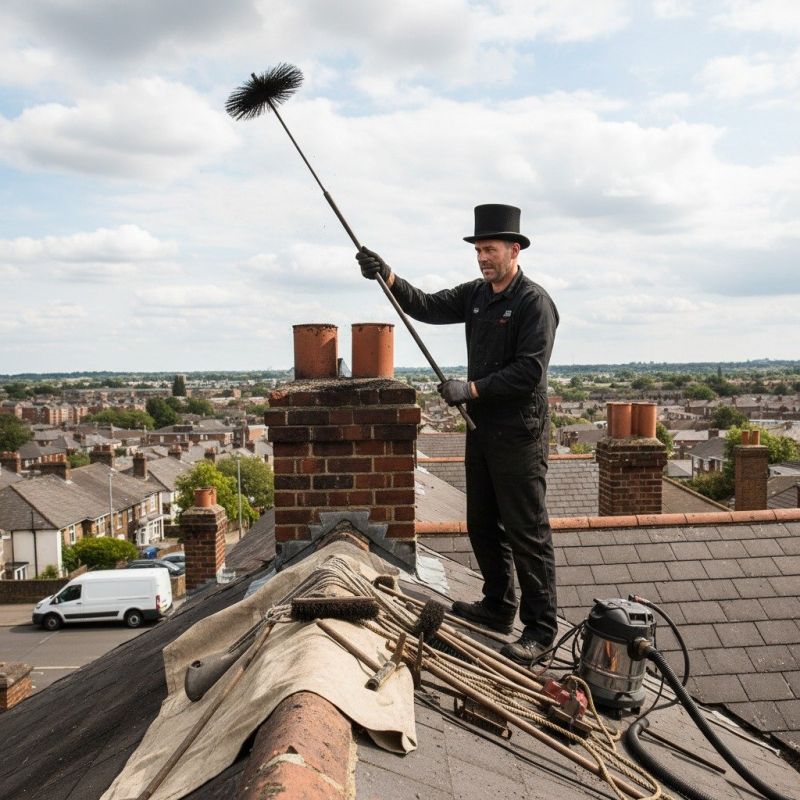
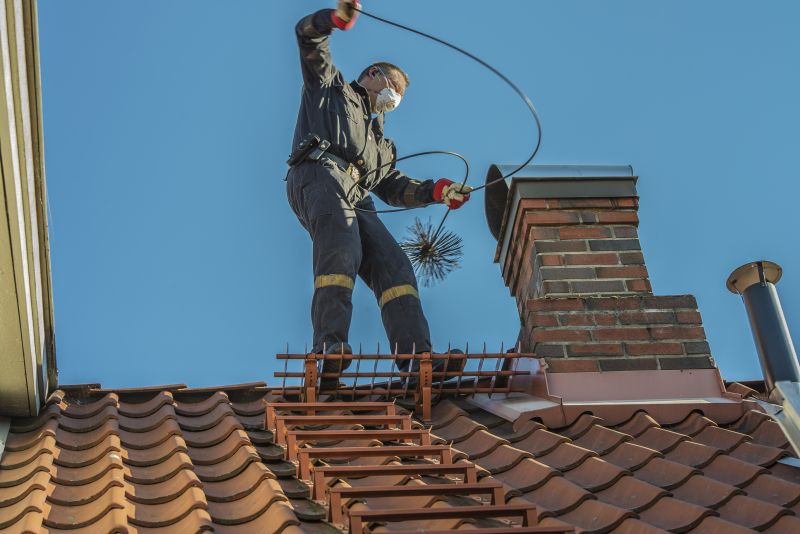
Chimney sweeping and fire safety explained is a common concern for property owners who rely on fireplaces, wood stoves, or other heating appliances. Regular chimney cleaning helps remove soot, creosote buildup, and debris that can accumulate over time, reducing the risk of chimney fires and ensuring efficient operation. Many property owners in the area seek out information on this topic to better understand the importance of routine maintenance and to find qualified local contractors who can perform thorough chimney inspections and cleaning services.
In addition to the safety benefits, property owners often look into chimney sweeping services to maintain the longevity of their heating systems and prevent costly repairs. Local service providers are equipped to handle these routine projects, offering professional cleaning and inspection to help keep homes safe and compliant. Comparing local contractors can help property owners find experienced professionals who understand the specific needs of their heating setups, ensuring the job is done properly and efficiently.
Why is chimney sweeping important for fire safety? Regular chimney sweeping removes creosote buildup and debris that can ignite, helping to prevent chimney fires and ensuring safe operation of fireplaces and wood stoves.
How does chimney sweeping contribute to overall fire safety? By cleaning out flammable deposits and inspecting for damage, chimney sweeping helps identify potential fire hazards early and maintains proper venting for safe use.
What role do local contractors play in chimney sweeping and fire safety? Local service providers perform thorough cleaning and inspections, ensuring chimneys are free of obstructions and safe for use, which supports fire safety efforts.
Can chimney sweeping help prevent smoke problems and indoor air issues? Yes, proper sweeping and inspection can improve airflow, reduce smoke backdrafts, and promote healthier indoor air quality by ensuring proper venting.
What should I expect during a professional chimney sweeping for fire safety? A local contractor will typically clean the chimney interior, remove creosote and debris, and check for any structural issues that could pose fire risks.
Schedule regular chimney cleaning - arranging periodic chimney sweeping services helps prevent buildup that could lead to fire hazards and improves overall fireplace safety.
Learn about proper venting techniques - understanding how to maintain clear and efficient venting can reduce the risk of smoke and harmful gases entering living spaces.
Implement fire safety measures - incorporating fire-resistant barriers and ensuring proper clearance around fireplaces can enhance safety during everyday use.
Stay informed on chimney inspection practices - having local contractors perform thorough inspections can identify potential issues early, supporting fire safety and proper chimney function.
If you are thinking about chimney sweeping and fire safety explained for a property, this guide is meant to help you understand this topic, the typical project types, and how different options might fit your plans.
When you are ready, you can use the quote form on this page to share a few details about your project. From there, local pros can review the basics and follow up with options that match what you have in mind.